How Your Sleeping Position Affects Mattress Choice
When most people shop for a mattress, they focus on brand reputation or a simple "firm" versus "soft" choice. But this approach misses a crucial factor: your sleeping position fundamentally determines what type of support your body needs each night. A mattress that feels perfect for someone who sleeps on their side might leave a back sleeper with morning stiffness. This isn't just about comfort preferences—it's about maintaining proper spinal alignment during the 7-8 hours your body spends in recovery mode. Understanding how sleeping position and mattress choice impact your sleep quality can transform not just your nights, but your entire well-being.
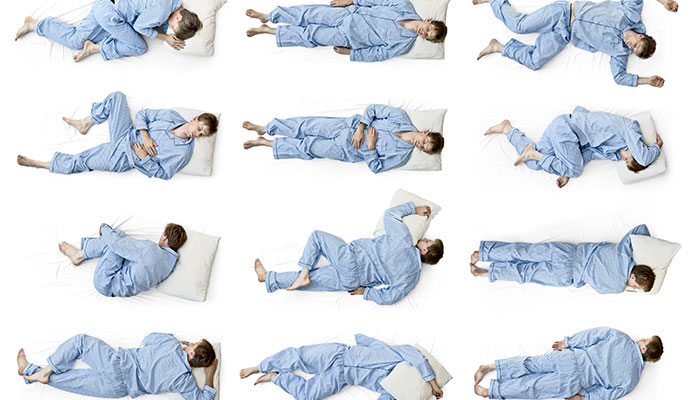
Why Sleeping Position Matters for Mattress Choice
Your sleeping position dictates how your body weight distributes across the mattress surface, creating unique pressure points and support requirements that directly affect spinal alignment. Side sleepers need targeted pressure relief at shoulders and hips to maintain a straight spine, while back sleepers require balanced support that prevents the lower back from sagging. Stomach sleepers face the challenge of preventing excessive spinal extension that can strain the neck and lower back.
Research from the National Sleep Foundation shows that even minor changes in spinal positioning during sleep—sometimes just a few degrees—can significantly impact muscle recovery and joint health overnight. When your mattress doesn't match your sleeping position, your body compensates by tensing muscles to maintain stability, leading to that familiar morning stiffness. The relationship between sleep position and back pain becomes clear when you understand that your mattress should work with your natural posture, not against it
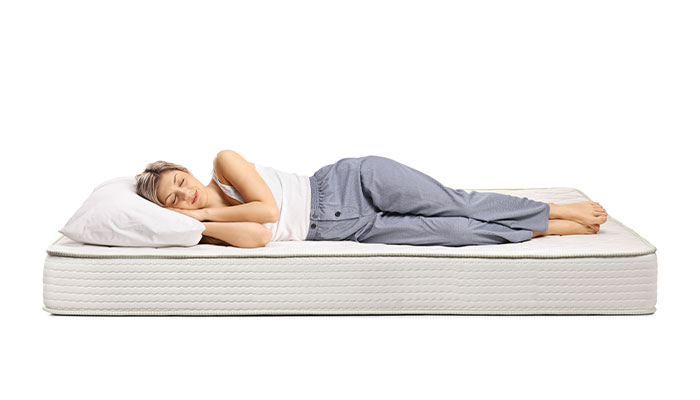
Spinal Alignment, Support, and Pressure Relief
To understand how sleeping position affects mattress needs, imagine your spine's natural curves when you're standing upright. Your spine isn't straight—it has gentle curves that include lordosis (inward curve) in your lower back and a similar curve in your neck. During sleep, maintaining "neutral spine" means preserving these natural curves horizontally, avoiding both excessive flattening and exaggerated arching.
The Cleveland Clinic emphasizes that proper spinal alignment during sleep reduces muscle tension because your body doesn't have to work overtime to maintain stability. When alignment is off, ligaments and muscles strain throughout the night, explaining why poor sleep surfaces often correlate with morning discomfort.
It's important to distinguish between support and comfort when evaluating mattress support by sleeping position. Support refers to the mattress's ability to keep your spine aligned by preventing excessive sinking, particularly at heavier body areas. Comfort involves pressure relief—the cushioning that prevents uncomfortable pressure buildup at contact points like shoulders, hips, and knees.
Research published in ergonomic studies shows that mattresses can subtly alter lumbar lordosis by several degrees compared to sleeping on a firm surface. While this might seem minimal, these small changes compound over hours, affecting everything from disc pressure to muscle recovery. Poor spinal alignment during sleep creates a cascade effect: strained ligaments lead to muscle compensation, which leads to morning stiffness and potentially chronic discomfort.
Mattress Needs by Sleeping Position
Side Sleepers
Side sleeping naturally creates gaps between your body and the mattress surface, particularly at the shoulders and hips. Without proper contouring, these gaps force your spine into an unnatural curve, creating pressure points that can lead to numbness, pain, and disrupted sleep.
The best mattress for side sleepers typically falls in the soft to medium range (around 4-6 on a 10-point firmness scale). This allows for 2-3 inches of contouring that keeps your ears, shoulders, and hips in proper alignment. However, the key isn't just overall softness—it's strategic pressure relief combined with core support.
Look for mattresses with zoned construction that provides extra cushioning at pressure points while maintaining firmer support through the midsection. Memory foam and hybrid designs often excel here, offering the pressure relief side sleepers need while preventing the spine from bowing. The goal is to eliminate pressure without sacrificing spinal neutrality.
For side sleepers dealing with hip or shoulder pain, mattress firmness by sleep position becomes even more critical. Too firm, and pressure builds up painfully; too soft, and you sink so deeply that your spine curves unnaturally. The sweet spot allows your body to nestle into the surface while keeping your spine straight from head to tailbone.
Back Sleepers
Back sleeping distributes your weight more evenly than side sleeping, but it presents unique challenges for maintaining the natural lumbar curve. The space between your lower back and the mattress needs to be filled without allowing your hips to sink too deeply, which would hyperextend your spine.
Medium-firm mattresses (typically 6-7 on the firmness scale) work well for most back sleepers because they provide the best mattress for back sleepers balance: enough give to cradle the lumbar curve while offering sufficient support to prevent sinking. The American Chiropractic Association notes that medium-firm surfaces help maintain spinal alignment while allowing subtle pressure relief.
The science behind this recommendation involves weight distribution. When lying on your back, your hips carry significant weight. If the mattress is too soft, this area sinks disproportionately, creating an unnatural arch in your lower back. Too firm, and you lose the gentle support your lumbar curve needs, potentially leading to pressure points.
Back sleepers should prioritize mattresses with good lumbar reinforcement—whether through targeted coil systems, zoned foam, or hybrid constructions that offer both support and adaptability. Quality mattresses with these features help maintain proper alignment while providing the pressure relief needed for comfortable sleep.
Stomach Sleepers
Stomach sleeping poses the greatest challenge for spinal alignment because it naturally flattens the lumbar curve and can hyperextend the spine. Add to this the neck strain from turning your head to breathe, and stomach sleepers face unique support requirements that many mattresses simply can't address effectively.
The best mattress for stomach sleepers must be significantly firmer (typically 7-9 on the firmness scale) to prevent the hips from sinking too deeply, which would exaggerate the spinal arch. Firmer surfaces help keep the spine as neutral as possible in this challenging position.
Innerspring and high-density foam mattresses often work well for stomach sleepers because they provide the firmness needed while offering enough responsiveness for easy position changes. The goal is to minimize the unnatural spinal extension that this position naturally creates.
However, sleep experts generally recommend that stomach sleepers consider transitioning to side or back sleeping when possible, as this position inherently stresses the spine and neck. For those who can't change their preferred position, investing in a properly firm mattress becomes even more critical for preventing how sleeping position affects back pain.
Combination Sleepers
Most people don't maintain a single position throughout the night. Studies suggest that over 60% of sleepers change positions multiple times during sleep, making them combination sleepers who need mattresses that perform well across different orientations.
Combination sleepers benefit from responsive mattresses that adapt quickly to position changes without "trapping" them in one spot. Medium-firm hybrid mattresses often provide the best balance, offering enough contouring for side sleeping comfort while maintaining the support needed for back sleeping.
The key for combination sleepers is finding a mattress that doesn't have excessive memory foam, which can create a "stuck" feeling when trying to move. Instead, materials like latex or gel-infused foams provide contouring with better responsiveness, making position transitions easier throughout the night.
How Body Weight Changes Mattress Support Needs
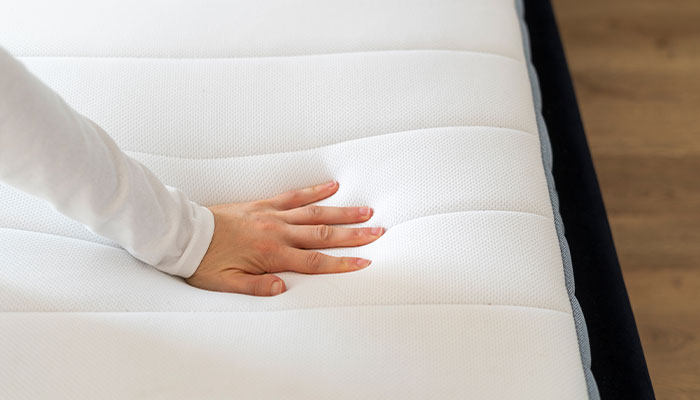
Here's where firmness labels become misleading: a "medium-firm" mattress feels completely different to a 130-pound person versus a 230-pound person. Body weight significantly affects how deeply you compress mattress layers, making personal factors just as important as sleeping position.
Heavier individuals (typically over 200-230 pounds) compress mattress materials more, often needing firmer surfaces to prevent "bottoming out" where they sink through comfort layers to feel the underlying support structure. Lighter sleepers (under 130-150 pounds) may find medium-firm mattresses uncomfortably rigid because they don't compress the materials enough to access the pressure relief layers.
This is why sleeping position mattress choice must consider both position and personal metrics. A 200-pound back sleeper might thrive on a 6/10 medium-firm mattress, while a 140-pound side sleeper might find the same mattress too firm to provide adequate pressure relief. Universal recommendations fail because they ignore these crucial personal factors.

Signs Your Mattress Doesn't Match Your Sleeping Position
Wondering is my mattress wrong for my sleeping position? Here are key indicators that suggest a mismatch:
Morning Pain and Stiffness
- Lower back pain that improves throughout the day (common for back sleepers on too-soft mattresses)
- Hip or shoulder pain upon waking (typical for side sleepers on overly firm surfaces)
- Neck stiffness or headaches (can indicate poor spinal alignment)
Sleep Quality Issues
- Frequent tossing and turning or difficulty finding comfortable positions
- Waking up multiple times due to discomfort or numbness
- Feeling tired despite getting adequate sleep hours
- Partner disturbance from excessive movement
Physical Signs
- Visible sagging or indentations where you typically sleep
- Uneven wear patterns that don't match your sleep style
- Arms or legs "falling asleep" during the night
- Difficulty getting out of bed due to stiffness
Comparative Comfort
- Sleeping better in hotels or other beds
- Preferring your couch or recliner for rest
- Waking up more refreshed after naps in different locations
If you experience three or more of these regularly, your mattress likely doesn't support your sleeping position properly. Track these symptoms for a week or two—persistent patterns indicate more than temporary discomfort and suggest the need for evaluation.

Improving Sleep Support Before Replacement
Before investing in a new mattress, optimize your current sleep setup to determine if support issues can be addressed temporarily:
Pillow Optimization Proper pillow support can significantly impact spinal alignment. Side sleepers typically need thicker pillows to fill the gap between shoulder and head, while back sleepers benefit from thinner options that don't push the head forward. Stomach sleepers might need very thin pillows or none at all to minimize neck strain.
Foundation Check Your mattress foundation affects overall support more than most people realize. Slats should be no more than 3 inches apart, and the foundation should be level and sturdy. A sagging foundation can make even a good mattress feel unsupportive.
Mattress Maintenance Rotate your mattress every 3-4 months to even out wear patterns. While flipping isn't possible with most modern mattresses, rotation can extend life and improve comfort temporarily. Learn more about mattress care to maximize your current setup.
Temperature Control Heat can soften foam materials, making them feel less supportive. Cooling mattress options address this issue, but in the meantime, room temperature control and breathable bedding can help.
However, these improvements have clear limitations. A worn or poorly matched mattress core can't be fixed with accessories, and temporary solutions shouldn't substitute for proper mattress support by sleeping position. Think of these adjustments as diagnostic tools—if they help significantly, your mattress might just need better support; if they don't, replacement is likely necessary.
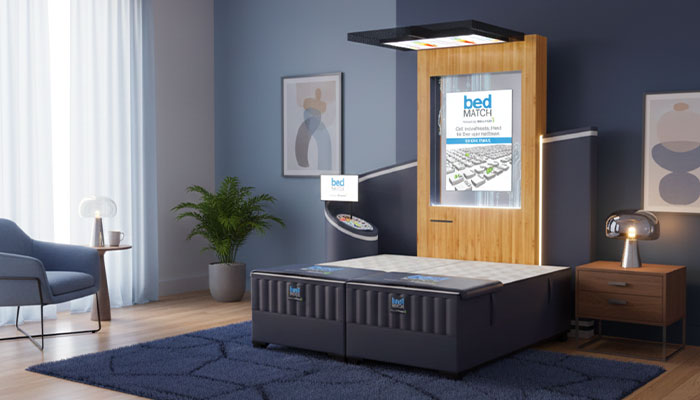
How BedMatch Helps Match a Mattress to Sleeping Position
Traditional mattress shopping relies heavily on subjective impressions and generic firmness labels, but personal factors like sleeping position, body weight, and pressure sensitivity vary too dramatically for one-size-fits-all recommendations. This is where BedMatch technology transforms the selection process.
BedMatch uses pressure-mapping sensors that measure your body's interaction with different mattress surfaces in real-time. When you lie in your natural sleeping position on the BedMatch system, it generates a detailed color-coded pressure map showing exactly where your body creates high pressure (red zones) and where you need more support (blue/green areas).
This objective data reveals what subjective testing misses. For example, a side sleeper might discover they need softer shoulders despite preferring an overall "firm" feel, or a back sleeper might find their lumbar area needs targeted support that general medium-firmness doesn't provide.
The technology draws from biomechanical research principles, measuring pressure distribution and alignment factors that sleep science has identified as crucial for quality rest. Instead of guessing based on brief store tests or online reviews, BedMatch provides quantifiable data about how specific mattresses will support your individual needs.
This personalized approach matches you to mattresses from our comprehensive selection, taking the guesswork out of sleeping position mattress choice. The result is increased confidence in your purchase and better odds of finding a mattress that truly improves your sleep quality.
You can experience BedMatch technology at Bob Mills Furniture locations, where sleep specialists help interpret your pressure map and guide you toward mattresses that align with your specific support requirements. Learn more about BedMatch and how this scientific approach can transform your mattress selection process. For detailed insights into how this technology works, read our comprehensive BedMatch guide.

Conclusion
Your sleeping position isn't a minor preference—it's a fundamental factor that should drive your sleeping position mattress choice. Side sleepers need strategic pressure relief, back sleepers require balanced lumbar support, stomach sleepers must prioritize firmness, and combination sleepers benefit from responsive adaptability. These needs are further modified by body weight, making personalized assessment more valuable than generic recommendations.
The relationship between sleep position and back pain becomes clear when you understand that your mattress should complement your body's natural alignment, not work against it. Ignoring this connection leads to unnecessary discomfort and poor sleep quality that affects every aspect of your daily life.
Rather than relying on trial-and-error approaches or marketing claims, consider evidence-based selection methods that account for your individual sleep characteristics. Tools like BedMatch provide the objective data needed to make informed decisions, whether you're exploring luxury options like Aireloom or other quality mattresses in our collection.
Take the time to evaluate your current sleep setup honestly, and don't accept chronic discomfort as inevitable. With the right approach to mattress support by sleeping position, restful sleep and pain-free mornings are achievable goals, not luxuries. If you're considering an upgrade, our guide to choosing a new mattress provides additional insights for making the best decision.
Frequently Asked Questions
Q: How does sleeping position affect mattress choice?
A: Your sleeping position determines how your body weight distributes across the mattress and what type of support maintains proper spinal alignment. Side sleepers need pressure relief at shoulders and hips, back sleepers require lumbar support, and stomach sleepers need firmer surfaces to prevent excessive spinal extension.
Q: Why does the wrong mattress worsen back pain for certain sleepers?
A: Mismatched mattresses disrupt natural spinal curves, forcing muscles to work overtime to maintain stability. This creates pressure points and muscle tension that accumulate throughout the night, leading to morning stiffness and potentially chronic discomfort.
Q: Is firmness or support more important for different sleep positions?
A: Both matter, but their priority varies by position. Support (maintaining spinal alignment) is crucial for all positions, while firmness preferences depend on pressure relief needs. Side sleepers typically need softer surfaces for pressure relief, while stomach sleepers need firmer surfaces to prevent sinking.
Q: How can someone tell if their mattress doesn't match their sleeping position?
A: Key signs include morning pain that improves throughout the day, frequent position changes during sleep, numbness or tingling, visible uneven wear patterns, and consistently better sleep in other beds. If multiple symptoms persist, evaluation is warranted.
Q: What mattress should I choose for my sleep position?
A: Side sleepers generally benefit from medium-soft to medium mattresses (4-6/10 firmness), back sleepers from medium-firm (6-7/10), and stomach sleepers from firm options (7-9/10). However, body weight and personal preferences modify these guidelines significantly.
Q: Is my mattress wrong for my sleeping position?
A: If you regularly experience morning stiffness, sleep disruptions, or discomfort that doesn't occur in other beds, your mattress likely doesn't match your needs. Professional assessment through tools like pressure mapping can provide definitive answers.
Q: What's the best mattress firmness for side sleepers with back pain?
A: Side sleepers with back pain often need medium-soft mattresses (4-6/10) with zoned support—softer at pressure points like shoulders and hips, but firmer through the midsection to maintain spinal alignment. The exact firmness depends on body weight and pain location.
Q: How do professionals assess mattress suitability beyond firmness labels?
A: Professional assessment uses pressure mapping technology, spinal alignment evaluation, and consideration of individual factors like body weight, sleep position, and specific comfort needs. This approach provides objective data rather than subjective impressions.
Q: Can the wrong mattress cause long-term back problems?
A: While mattresses don't directly cause structural back problems, poor sleep surfaces can contribute to muscle tension, joint stiffness, and postural issues that may exacerbate existing conditions or prevent proper recovery from daily activities.
Q: Should I replace my mattress if I'm having sleep position-related pain?
A: First, optimize your current setup with proper pillows and foundation support. If pain persists after these adjustments and you've ruled out other causes, professional mattress evaluation can determine whether replacement would help.
Medical Disclaimer: This article provides general information about sleep surfaces and comfort, not medical advice. Consult healthcare providers for persistent pain, sleep disorders, or specific medical conditions.