The Hidden Health Benefits of Proper Mattress Support
Waking up stiff, feeling like your body never fully relaxed, or carrying a dull ache in your lower back throughout the day is something many people experience without questioning the cause. It often gets attributed to stress, long hours, or simply getting older.
But there is another factor that quietly shapes how your body feels every day. The surface you sleep on.
The health benefits of proper mattress support go far beyond comfort. A mattress that supports your body correctly helps maintain spinal alignment during sleep, reduces strain on muscles, and allows your body to recover overnight. When that support is missing, the effects build gradually, showing up as fatigue, discomfort, and restless sleep.
That’s why sleep specialists, including those at Bob Mills Sleep Spa, focus not just on how a mattress feels, but on how it supports your body through the night.
What ‘Mattress Support’ Actually Means
Mattress support refers to how well a mattress keeps your spine in a neutral position while you sleep. It is not the same as comfort. Comfort is how soft or plush a mattress feels at first touch, while support determines how your body is held for hours.
A mattress can feel comfortable and still fail to provide a truly supportive sleep surface. Proper support ensures that your spine remains aligned from your neck to your lower back.
This is why mattress firmness levels explained is often misunderstood. Firmness does not mean hard. It means how well the mattress adapts to your body while maintaining alignment. The right support level depends on your body weight, sleeping position, and individual posture.
At Bob Mills Furniture, mattress selection is approached with this distinction in mind — focusing on long-term support rather than just immediate comfort.
The Spine Connection — Why Alignment Matters More Than You Think
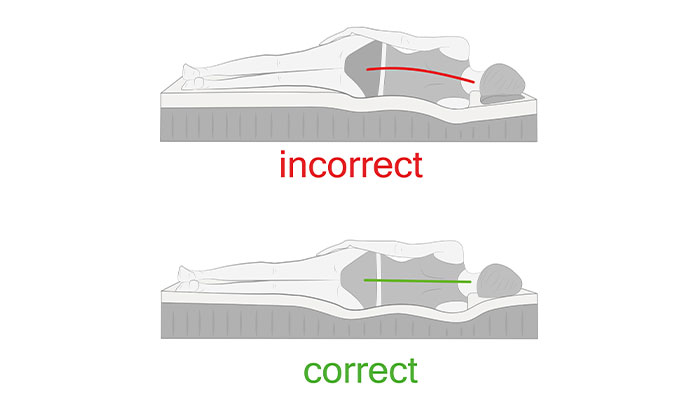
A supportive mattress helps keep your spine aligned, reducing unnecessary strain on your body during sleep. When alignment is off, muscles that should be resting are forced to stay active.
According to the Sleep Foundation (sleepfoundation.org), improper sleep posture is closely linked to mattress and back pain, especially in the lower back. When your mattress allows your hips or shoulders to sink too deeply, your spine bends unnaturally.
This can increase pressure on spinal discs and create tension in surrounding muscles. Over time, it can contribute to discomfort that shows up as stiffness in the morning.
This is also why people ask, does mattress firmness affect back pain? The answer is yes — but balance matters. Too soft lacks support, too firm creates pressure.
At Bob Mills Sleep Spa, this is addressed by focusing on support-first mattress selection, helping customers find options that maintain proper alignment instead of relying on feel alone.
Health Benefits That Go Beyond Back Pain
Pressure Point Relief and Circulation
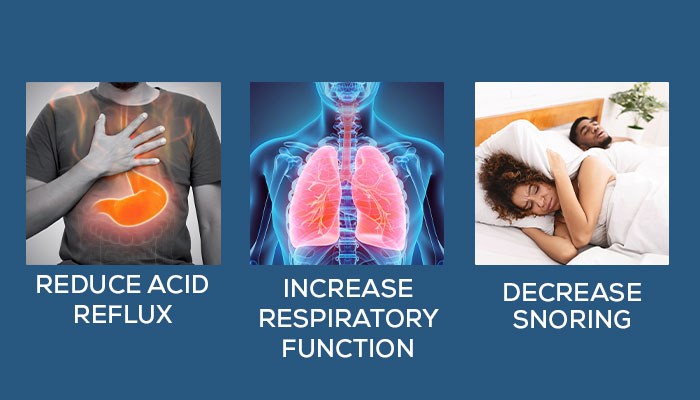
A supportive mattress distributes body weight evenly, reducing pressure on areas like hips, shoulders, and knees. When pressure builds, it can restrict blood flow and cause discomfort that leads to frequent movement during sleep.
At Bob Mills, mattresses are carefully selected to balance comfort with support, helping reduce these pressure points and promote more consistent rest.
Posture During the Day Starts the Night Before
The way your body is supported for several hours each night influences how it holds itself during the day. Proper alignment during sleep reinforces natural posture patterns.
This connection between mattress support and posture is often overlooked, but over time, it plays a role in reducing daily discomfort and improving body alignment.
Sleep Quality, Chronic Pain, and the Recovery Window
A supportive mattress improves sleep continuity by reducing discomfort that interrupts sleep cycles.
Research from the American Academy of Sleep Medicine (aasm.org) shows that disrupted sleep is closely linked to sleep quality and chronic pain. Deep sleep is when the body performs most of its recovery processes.
At Bob Mills Sleep Spa, the focus is on helping customers find mattresses that support sleep posture and muscle recovery, creating conditions for deeper, more restorative sleep.
How Your Sleeping Position Changes What ‘Support’ Means
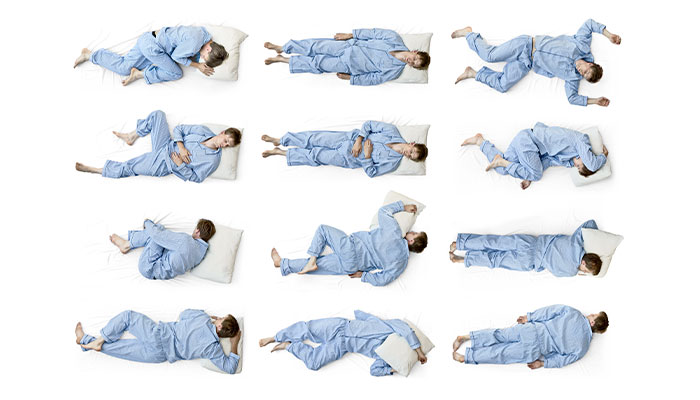
Different sleeping positions require different support levels.
Side sleepers need cushioning at the shoulders and hips with enough support to keep the spine level. Back sleepers need even support across the lumbar region. Stomach sleepers typically require a firmer surface to prevent excessive sinking.
At Bob Mills Sleep Spa, sleeping position is a key factor in mattress matching.
You can also learn more about sleep positions here: Achieving the Perfect Night’s Sleep

When Mattress Support Fails — Signs to Watch For
A mattress that no longer provides proper support often shows clear signs. Waking up sore, noticing sagging, or feeling more tired despite enough sleep are common indicators.
Issues like mattress sagging effects on spine and mattress body impression can significantly impact sleep quality.
If your mattress is already showing these signs, you can explore: How to Fix a Sagging Mattress

Finding the Right Level of Support for Your Body
Choosing the right mattress based on a quick in-store test can be misleading. The body behaves differently during sleep when muscles are fully relaxed.
That’s why Bob Mills Sleep Spa uses the BedMatch system — a science-based tool that takes 18 measurements and performs over 1,000 calculations to determine your ideal support level.
This allows for a personalized mattress fit, helping remove guesswork from the process.
You can explore: BedMatch
Mattress Types and Support — A Quick Reference
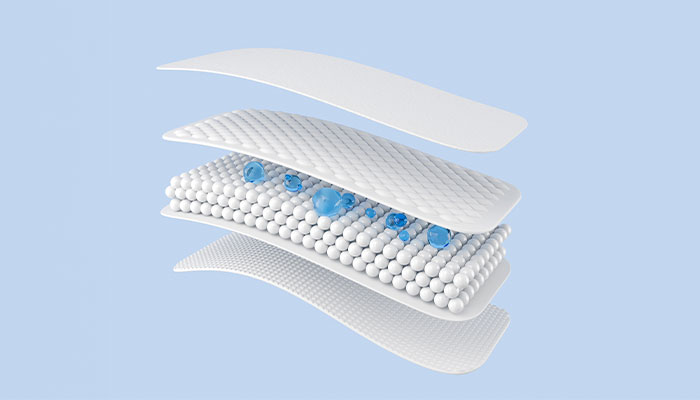
Different mattress types provide support in different ways.
Memory foam offers contouring support and pressure relief. Innerspring mattresses provide responsive support and airflow. Hybrid mattresses combine both for a balanced experience. Latex mattresses are known for durability and consistent support.
At Bob Mills Furniture, the focus is on helping customers navigate these options based on support needs, not just features.
Explore options here:
Explore mattress collection
Browse by comfort level

Conclusion
That lingering stiffness in the morning or the feeling of never being fully rested often has a deeper cause than most people realize.
The right mattress is not just about comfort. It is about giving your body the support it needs to recover properly.
If you’re unsure where to start, visiting a Bob Mills Sleep Spa and trying BedMatch can help you understand what your body actually needs — without guesswork.
Find your ideal mattress support with BedMatch
Frequently Asked Questions
Can the wrong mattress cause back pain?
Yes. A mattress that lacks proper support can cause spinal misalignment, placing strain on muscles and ligaments over time.
Is a firm or soft mattress better for back pain?
Neither extreme is ideal. Medium-firm mattresses are often preferred, but the right choice depends on body type and sleep position.
How does mattress support affect spinal alignment?
A supportive mattress helps maintain a neutral spine position, reducing strain and allowing muscles to relax during sleep.
How long does a mattress last before losing support?
Most mattresses last 7–10 years. Sagging or discomfort are signs it may be time to replace it.
What mattress features should I look for if I have back pain?
Look for proper lumbar support, balanced firmness, and materials that distribute weight evenly.
Does mattress type — memory foam vs innerspring — affect back pain?
Both can work when chosen correctly. Memory foam contours, while an innerspring provides responsive support. Hybrid offers both.
Disclaimer
Bob Mills Furniture Company, LLC does not represent or endorse any specific health related benefits arising from the purchase or use of any specific product, and not liable for any physical discomfort or impairment arising out of the purchase and use of any specific product. The opinions expressed or information provided by our staff is not intended as a diagnosis, treatment, or provision of medical advice and is not a substitute for professional medical advice, diagnosis or treatment. Please consult a physician or other health care professional for your specific health care and/or medical needs or concerns.